
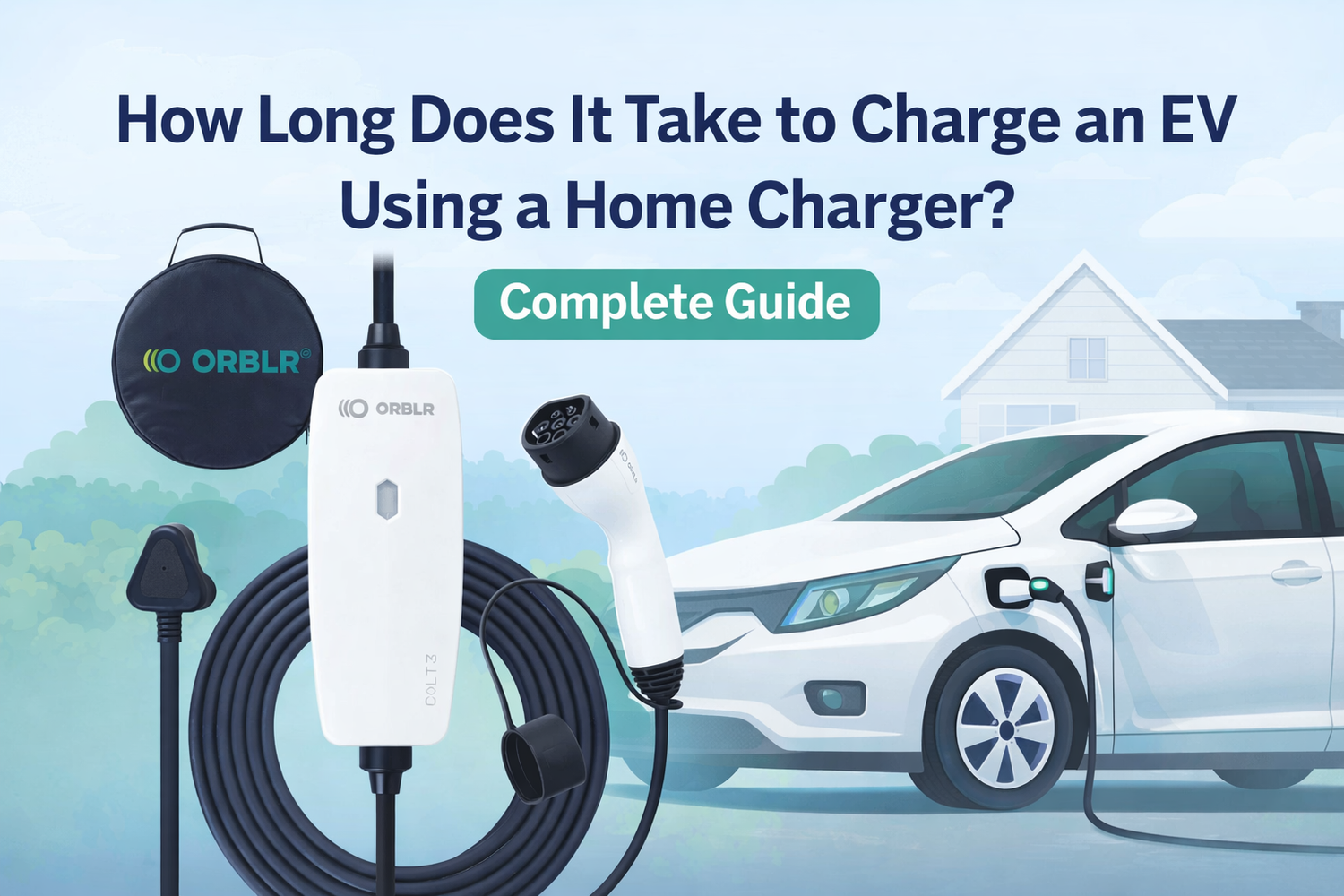
As electric vehicles continue to gain popularity, home charging has become the most convenient option for EV owners. One of the most common questions people ask before installing a charger is how much time it actually takes to charge an EV at home. While there is no single fixed answer, understanding the basics makes it easy to estimate charging time and plan daily usage comfortably.
Home charging is designed to fit seamlessly into everyday life, especially for overnight charging, making EV ownership practical and stress-free.
Key Factors That Decide Home EV Charging Time
The time required to charge an electric vehicle at home mainly depends on two important factors:
Battery Size of the Vehicle
Every EV comes with a different battery capacity, usually measured in kilowatt-hours (kWh). A vehicle with a smaller battery will naturally charge faster than one with a larger battery pack.
Power Rating of the Home Charger
Home chargers typically supply power between 3.3 kW 7.4 kW ,11kw for AC charging. A higher power output delivers energy faster, reducing the total charging duration.
Other elements such as current battery level, charging efficiency, and the stability of the home power supply can also slightly influence charging time.
How to Estimate EV Charging Time at Home
A simple way to calculate approximate charging duration is to divide the battery capacity by the charger’s output.
Estimated Charging Time (in hours) = Battery Capacity (kWh) ÷ Charger Power (kW)
Example
If an electric vehicle has a 52 kWh battery and is connected to a 7.2 kW home charger, the calculation would be:
52 ÷ 7.2 ≈ 7 hours for a full charge
This means most EVs can be fully charged overnight using a standard home charger. In real-world conditions, the actual time may vary slightly due to energy losses, battery condition, or fluctuations in power supply, but the estimate remains reliable for everyday planning.
Typical Charging Durations with Home Chargers
In practical terms, EV owners can expect:
- 3.6 kW charger: Around 14-20 hours for a full charge
- 7.2 kW charger: Around 7-8 hours for a full charge
- 11 kW charger : Around 4-5 Hours for a Full Charger
For daily commuting needs, many users don’t even require a full charge. A few hours of home charging is often enough to cover regular city driving.
Safety and Convenience of Home EV Charging
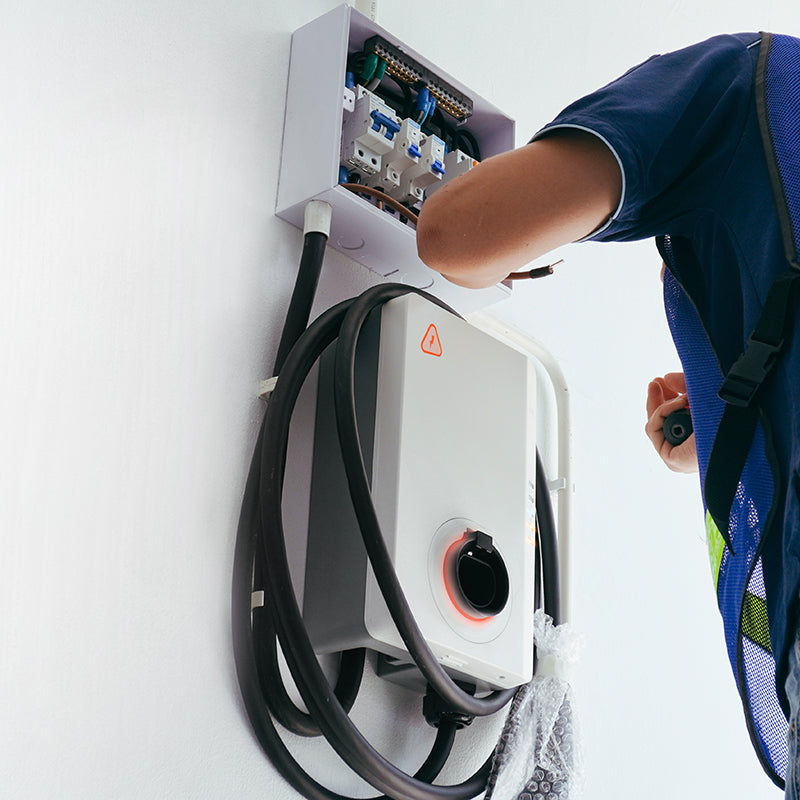
Modern home chargers are built with multiple safety mechanisms such as overcurrent protection, temperature control, and automatic shutoff. When installed correctly, home charging is one of the safest ways to power an electric vehicle.
ORBLR DRIVTECH offers smart EV charging solutions designed for both residential and commercial use. Their chargers are engineered to support a wide range of electric vehicles while focusing on safety, reliability, and ease of use, helping make home charging simple and dependable.
Tips to Optimize Home Charging Time
EV owners can improve charging efficiency by:
- Choosing a charger that matches their vehicle’s battery size
- Charging during off-peak or stable power hours
- Avoiding deep battery discharge regularly
- Using smart charging features for scheduled charging
These small practices help maintain battery health and ensure consistent charging performance.
Conclusion
Charging an EV at home is designed for convenience. By understanding battery capacity and charger output, EV owners can easily estimate charging time and plan accordingly. In most cases, a full overnight charge is enough to keep the vehicle ready for daily use.
With reliable home charging solutions and smart technology, home EV charging continues to play a vital role in supporting the shift toward cleaner and more sustainable mobility.

Leave a comment
This site is protected by hCaptcha and the hCaptcha Privacy Policy and Terms of Service apply.