
7 products

Frequently Asked Questions
Can I charge my EV at Home?
Yes! Most EV owners charge at home, usually overnight. You can use ORBLR to charge your EV at the convenience of your home.
Is it safe to use a regular household outlet for charging?
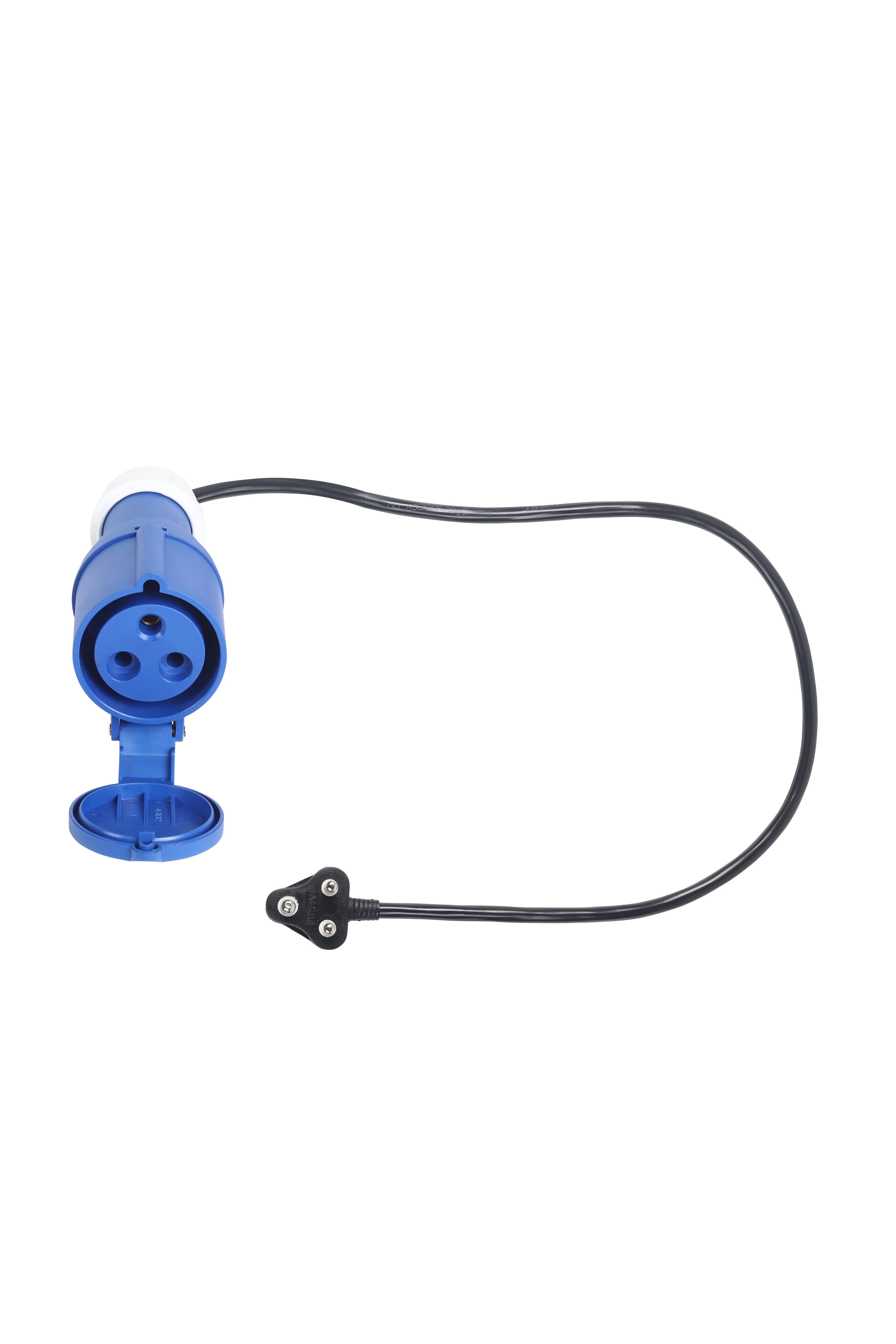
Though it is safe, it is not recommended for regular long duration use. Household sockets are not built for the high power EVs need and may overheat. ORBLR Chargers are designed and engineered to be safer, more efficient and can outlast your EV.
What should I check before installing a home charger?
- Electrical Capacity: Get your panel checked by a qualified electrician.
- Location: Install the charger near your parking spot, as close as possible to your meter panel.
- Features: Choose between basic or smart chargers (with Wi-Fi, app control, scheduling).
What does it cost to install a home EV charger?
Installation cost varies with available electric load capacity, distance from the meter panel and amount of electrical work needed. It can start at few thousand to above ₹10,000.
What load is required for ORBLR?
What are the key features of ORBLR?
- Safe, secure operation with smart display & LED
- IP66 and IK10 rating
- Protection devices for both electrical and human safety
- OCPP 1.6 J compliant (works with modern EV networks). Available with 22 kW CYBR Max
- Multiple authentication options: RFID, app, CMS
- Stylish design, CE/FCC/RoHs certified
How is the ORBLR EV charger installed?
ORBLR installation team will coordinate, install, and commission your charger.
How do I contact ORBLR for installation or service?
Are ORBLR EV CHARGERS compatible with my EV?
Yes! It uses the Type-2 connector, which fits all modern EVs across the globe.
Do I need an app to charge with ORBLR EV Chargers?
Not necessarily. You have multiple options to charge with ORBLR CHARGERS- via the app, RFID, CMS(22KW), or simply plug and charge—no authentication needed.
Is charging an EV more expensive than petrol?
No. Home charging is much cheaper than petrol. Public charging costs more than home charging but is still usually less than petrol.
How do I maintain my EV charger?
- Check the charger and cable for damage
- Keep connectors clean
- Store cable properly
- Update firmware for smart chargers
- Get regular safety checks by an electrician
Do I need a license to set up EV charging?
No license needed for home or public charging. Just follow safety and technical guidelines as set by the Ministry of Power.
How do I increase my load capacity if needed?
Apply for added or enhanced connection with your local DISCOM. You can state reason like- for EV charging and pay the required fees. DISCOM are mandated to do the needful.
What affects EV charging time?
- Battery size
- State of charge (slows once the battery reaches 80%)
- Charger output (kW)
- Vehicle’s max charging rate
- Temperature
How long does it take to charge an EV at home?
Level 1 (3.6 kW) AIR and COLT3: 11–12 hours for a 40 kwh
Level 2(7.2 kw) EVO7+: 5-6 hours for a 45 kWh charge
Level 2 (7.4 kW) CYBR7: 5–6 hours for a 40 kWh charge
Level 2 (11kw) CYBR11: 3-4 hours for a 40 kWH Charger
Is setting up an EV charging station profitable?
Yes! With rising EV adoption, demand is high. Profit depends on location, usage, and costs.
Does DC fast charging harm the battery compared to ACcharging?
Frequent DC fast charging can speed up battery wear. Use AC charging for daily use; reserve DC fast charging for long trips.
What is the life and warranty of ORBLR Chargers?
- Designed for 10 years of life
- 24 months manufacturing warranty
Can the charger be integrated with solar systems?
Yes! ORBLR Chargers can work with home solar setups using a DLM device, letting you charge your EV with clean solar power.


